

Mantra Meditation Group for Brain Health: Kirtan Kriya Benefits (11 Minutes)
Research from leading institutions—including UCLA, Harvard, Johns Hopkins, and the Journal of Alzheimer’s Disease—has begun confirming that simple, and consistent meditation practices can change the brain in remarkable ways.
In recent years, research from leading institutions—including UCLA, Harvard, Johns Hopkins, and the Journal of Alzheimer’s Disease—has begun confirming something long known in yogic traditions: simple, consistent meditation practices can create measurable changes in the brain.
Inspired by this research, I offer a free weekly online mantra meditation group to support nervous system regulation, cognitive health, and emotional well-being.
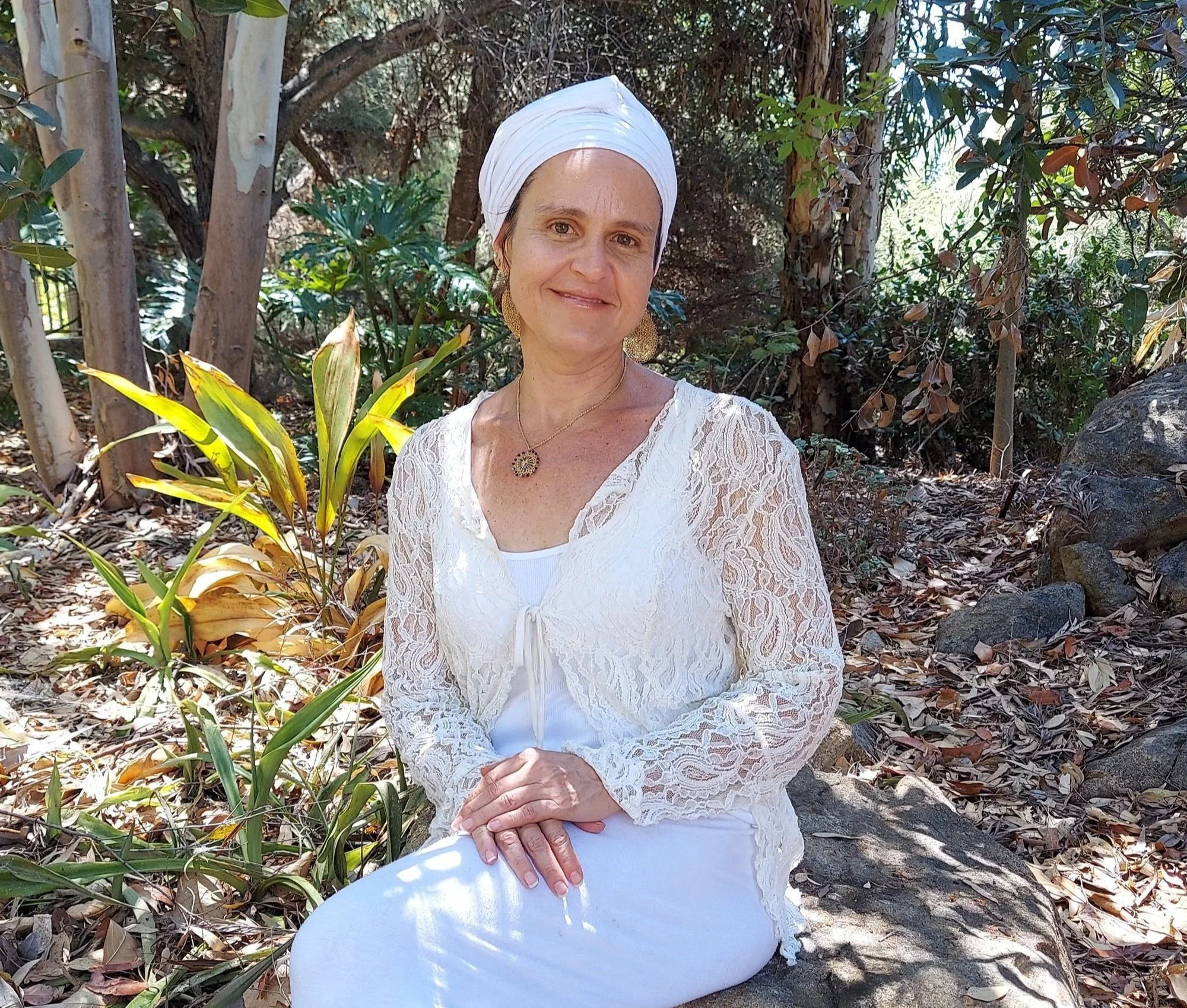
As a Registered Yoga and Meditation Teacher, I’ve seen how practicing in a group can deepen the experience—supporting focus, calming the nervous system, and reconnecting us with a sense of inner resilience.
What Is Kirtan Kriya?
Kirtan Kriya is a structured 11-minute mantra meditation practice from the Kundalini yoga tradition. It combines:
chanting (“Sa Ta Na Ma”)
breath awareness
finger movements (mudras)
visualization
This accessible practice has been widely studied and is associated with improvements in:
memory and cognitive function
mood and emotional regulation
neuroplasticity
stress resilience
markers associated with brain aging
What Research Shows
Multiple studies have found that Kirtan Kriya and gentle Kundalini yoga practices are linked with meaningful improvements in brain functioning.
1. Improved Memory and Cognitive Function
A study published in the Journal of Alzheimer’s Disease found that adults aged 55+ who practiced Kirtan Kriya and Kundalini yoga for 12 weeks showed:
increased brain connectivity
improved verbal and visuospatial memory
better focus and multitasking ability
improved mood
Participants in the meditation group outperformed a “brain games” group—even though both practiced for the same amount of time.
2. Reduced Stress and Improved Mood
Research from the Alzheimer’s Research & Prevention Foundation (ARPF) shows that Kirtan Kriya can:
reduce cortisol levels
improve sleep quality
increase emotional well-being
Long-term effects include greater clarity, calm, and resilience.
3. Increased Blood Flow to Memory Centers
Brain imaging studies show improved blood flow to the posterior cingulate gyrus—an area essential for memory and one of the first regions affected in Alzheimer’s disease.
4. Cellular-Level Benefits
Research led by Dharma Singh Khalsa suggests:
increased telomerase activity (linked to cellular longevity)
reduced inflammatory gene expression
positive changes in gene regulation
These changes are associated with healthier aging and reduced cognitive decline.
5. Protective Effects in Women
A clinical study led by Helen Lavretsky at UCLA found that women at increased risk for Alzheimer’s showed:
preserved gray matter volume
improved mood and resilience
enhanced brain connectivity
after practicing Kirtan Kriya and Kundalini yoga for 12 weeks.
How Kirtan Kriya Works
Kirtan Kriya activates multiple sensory pathways at once:
Chanting stimulates points in the upper palate connected to brain activity
Mudras (finger movements) engage motor and sensory regions
Visualization strengthens attention and memory pathways
Breathwork supports nervous system regulation and vagal tone
In just 11 minutes a day, this becomes a powerful mind-body practice for clarity, focus, and emotional balance.
A Simple Way to Begin
If you’re looking to support:
cognitive clarity
emotional grounding
nervous system regulation
resilience and connection
This practice can be a meaningful place to start.
I offer a free weekly online mantra meditation group where we practice the Kirtan Kriya together.
It also offers something many people are missing: connection and community
Practicing in a mantra meditation group, whether online or in person, can reduce isolation and support a sense of belonging and shared intention.
Or Practice on Your Own
Sit comfortably with your spine upright
Close your eyes and breathe naturally
Begin chantingto the following tune:
SA TA NA MA SONG
Chant:
“Sa” (index finger)
“Ta” (middle finger)
“Na” (ring finger)
“Ma” (little finger)
Cycle your voice:
2 minutes aloud
2 minutes whisper
4 minutes silent
2 minutes whisper
2 minutes aloud
Visualize light moving from the crown of your head to the space between your eyebrows.
Finish with a deep breath and a gentle stretch.
Why This Practice Matters
Kirtan Kriya is:
accessible (no prior experience needed)
time-efficient (just 11 minutes)
evidence-based
supportive of both mental and emotional well-being
Mantra Meditation Group: How Chanting Together Supports Healing and Connection
In a world where stress and disconnection are common, finding practices that bring us back to ourselves—and to each other—has never been more important. Mantra group meditation, the practice of chanting together in community, offers a simple yet powerful way to cultivate healing, calm, and connection.
A mantra is a word or sound repeated to quiet the mind and focus attention. When we chant mantras together, their effects multiply. Research shows that group chanting lowers stress hormones, calms the nervous system, and strengthens social bonds. The rhythm of many voices chanting in unison creates a sense of belonging and shared purpose that can be deeply grounding.
Benefits of Group Chanting
Mental & Emotional: Reduces anxiety, improves focus, and nurtures emotional regulation.
Physical: Stimulates the vagus nerve, lowers blood pressure, and improves heart health.
Social & Spiritual: Creates a sense of unity, compassion, and connection to something greater than ourselves.
How to Practice
You don’t need to be a singer or experienced meditator to join. Simply gather with others, set an intention, breathe deeply, and repeat the chosen mantra. Allow the vibrations to fill the space and notice how your body, breath, and mind begin to soften.
Why It Matters
Healing doesn’t happen in isolation. By chanting together, we create a shared field of support that benefits everyone present. It’s not about performance—it’s about showing up, breathing together, and letting sound guide us into presence, peace, and connection.
✨ Whether online or in person, group mantra meditation is an invitation to heal and reconnect—with yourself, your community, and the world around you.
👉 Read the full blog here: [Insert Your Blog Link]
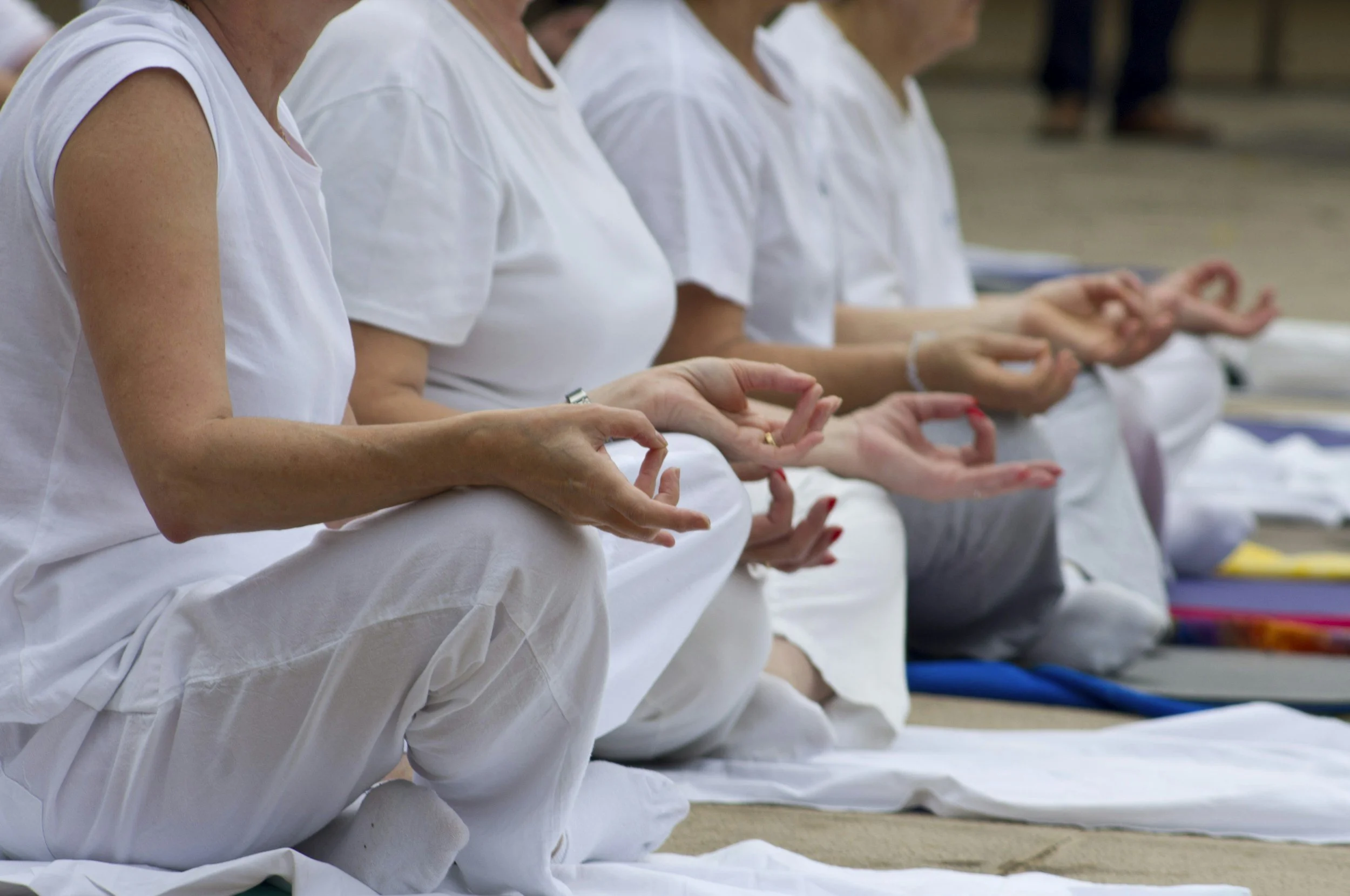
In today’s fast-paced world, many people feel isolated, stressed, and disconnected—from themselves and from others.
A mantra meditation group, where people gather to chant simple sounds, words, or phrases together, offers a powerful antidote.
Research shows that chanting in community can:
lower stress hormones
calm the nervous system
strengthen social connection
The shared rhythm of voices creates a sense of unity and belonging—while also supporting mental, emotional, and physical well-being.
Rather than being abstract or esoteric, group chanting is a simple, evidence-based way to regulate the nervous system, improve focus, and build resilience—while reconnecting with others.
What Is a Mantra Meditation Group?
Mantra meditation is the practice of repeating sounds, words, or phrases to quiet the mind and support focus and emotional balance.
In a group setting, the effects deepen.
The collective rhythm of chanting enhances:
nervous system regulation
emotional safety
connection and presence
The word mantra comes from Sanskrit:
manas (mind)
tra (to free or protect)
Together, it points to a practice that helps free the mind from repetitive patterns.
While rooted in ancient traditions, modern neuroscience confirms its calming and regulating effects on the brain and body.
The Benefits of Chanting in Community
When people chant together, the impact extends beyond the individual.
Shared rhythm and sound create both internal calm and social connection.
Mental & Emotional Benefits
Stress relief – Chanting lowers cortisol and supports parasympathetic (calming) activation
Improved focus – Repetition anchors attention in the present moment
Emotional balance – Supports regulation and gentle release
Sense of belonging – Synchrony builds trust and connection
Physical & Nervous System Benefits
Nervous system regulation – Stimulates the vagus nerve, supporting resilience
Heart health – Rhythmic breathing improves heart rate variability
Brain function – Linked to improved memory, attention, and emotional regulation
Sleep support – Helps the body settle into rest
Connection and Shared Experience
Group chanting creates:
a shared entry point into meditation
increased compassion and empathy
a sense of collective support
It reminds us that healing doesn’t have to happen in isolation.
Mantras That Work Well in Groups
The most effective group mantras are simple and easy to follow.
Examples include:
Seed (Bija) mantras – Om, Lam
Devotional mantras – Om Namah Shivaya, Om Mani Padme Hum
Healing mantras – Ra Ma Da Sa Sa Say So Hung
Affirmation-based mantras – “I am at peace,” “We are one”
The key is repetition, rhythm, and shared participation.
How to Begin a Group Mantra Meditation Practice
You don’t need anything complicated to begin.
What matters most is intention and consistency.
Choose a welcoming space (in-person or online)
Set a shared intention
Begin with a few minutes of breath awareness
Chant together in rhythm
Notice sensations in the body
Sit in silence to integrate
This transforms meditation into a shared, relational practice.
Why Group Practice Matters
At a time when many people feel disconnected, practicing in a mantra meditation group offers something essential:
connection
co-regulation
shared healing
The presence of others helps the nervous system feel safer—and healing deepens.
I offer an amazing weekly free
Online Mantra Meditation Group
If you’re looking for a simple, supportive way to:
calm your nervous system
improve focus
feel more grounded
reconnect with yourself and others
this practice can be a meaningful place to start.