

Healing From Complex Trauma: Why It Feels So Hard and How Therapy Can Help
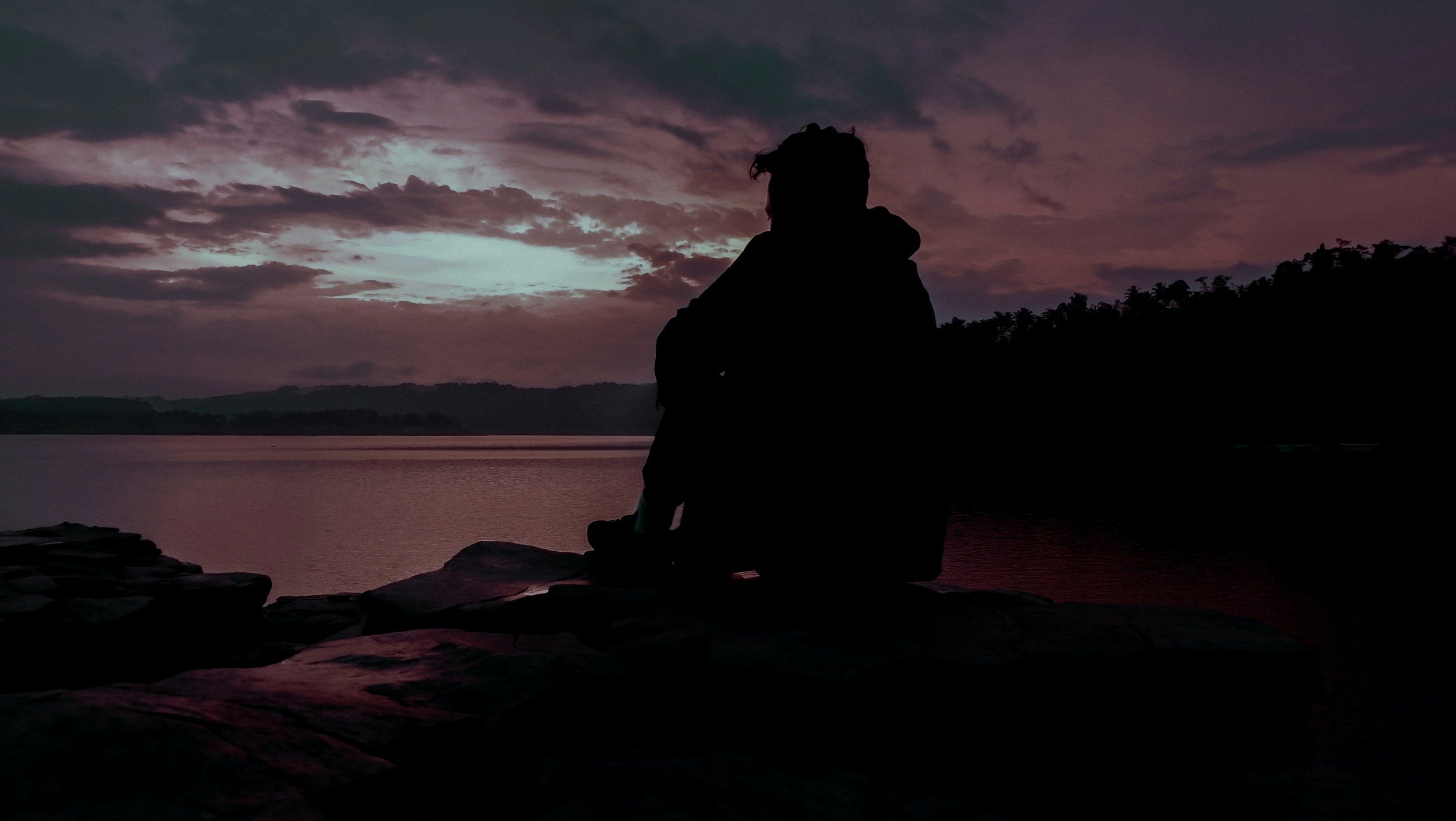
Healing from complex trauma can feel lonely, confusing, and deeply exhausting. Many people living with the effects of developmental trauma, chronic stress, or painful relationship patterns struggle in silence—and wonder why healing feels so hard.
If this resonates, I want you to hear this clearly:
You are not broken. And you are not alone.
Why Healing from Complex Trauma Can Feel So Lonely
Complex trauma leaves real imprints on the nervous system, the body, and our sense of self. Healing often requires support that is gentle, relational, and grounded in the nervous system—not just insight or willpower.
Without the right kind of support, it can feel like you’re trying to heal something invisible, without a clear map.
What Is Complex Trauma?
Complex trauma develops from repeated or ongoing experiences of emotional, physical, or relational harm—often beginning in childhood and involving caregivers or close relationships.
Unlike a single traumatic event, complex trauma is cumulative. It shapes:
how we relate to ourselves
how safe we feel with others
how our nervous system responds to the world
Many people with complex trauma say things like:
“I don’t feel safe, even when nothing bad is happening.”
“I’m either on edge or completely shut down.”
“I feel too much… or nothing at all.”
“Why is this still affecting me?”
These questions make sense—especially in a culture that encourages pushing through, rather than slowing down to listen to the body.
How Complex Trauma Impacts the Nervous System
If you recognize yourself in these experiences, there is nothing “wrong” with you.
These are adaptive survival responses—ways your body and mind learned to protect you.
When we experience trauma, the autonomic nervous system activates survival states such as fight, flight, freeze, or fawn.
With a single traumatic event, the nervous system may return to balance once the danger passes.
With ongoing trauma, however, the system often doesn’t get the chance to reset. Instead, it becomes wired for survival.
This can look like:
Constant Hypervigilance
You may feel anxious, restless, or on edge—like you can’t fully relax.
Your body stays on high alert, as if danger could appear at any moment.
Disconnection from the Body
At times, your system may move into freeze or shutdown, leading to:
numbness
dissociation
feeling disconnected from your body
This is your system’s way of protecting you from overwhelm.
Difficulty Regulating Emotions
Because trauma affects areas like the amygdala (threat detection) and prefrontal cortex (regulation), you may feel overwhelmed by everyday stress and have difficulty returning to a sense of calm.
Shame and Self-Blame
You may carry deep feelings of guilt or shame, sometimes believing you caused or deserved what happened.
These are often internalized survival responses—not reflections of your worth.
Physical Symptoms and Fatigue
Chronic nervous system activation can show up in the body as:
fatigue
tension
digestive issues
chronic pain
Feeling Alone or Unsafe in Relationships
You may find it difficult to trust others or feel safe in connection, sometimes interpreting neutral interactions as rejection or abandonment.
These are not character flaws.
They are the result of a nervous system that adapted to survive.
Healing Is Possible
Healing from complex trauma is not about forcing yourself to “move on.”
It’s about:
learning to feel safer in your body
gently regulating your nervous system
rebuilding trust—within yourself and in relationships
developing self-compassion instead of self-judgment
This kind of healing takes time, support, and the right therapeutic approach.
Trauma-Informed Therapy for Complex Trauma
Trauma-informed therapy can help you begin to feel more grounded, connected, and supported in your healing process.
In my work, I integrate:
Somatic EMDR and nervous system–informed approaches
body-based awareness and regulation
relational and culturally responsive care
Learn more about trauma-informed therapy
Explore Somatic EMDR
You Don’t Have to Do This Alone
If healing has felt confusing, overwhelming, or isolating, you don’t have to navigate it on your own.
Support can make a meaningful difference.
Start therapy or reach out below to schedule a free phone consultation to learn more.
Trauma-informed therapy in San Diego and online across California and support groups worldwide.
